National Infant Immunization Week

The 2024 State of the ImmUnion Report

VYF's Annual Report

Protect Your Family this Flu Season

why vaccinate
Vaccines offer the best protection against dangerous diseases.
In the U.S. more than 1 million lives will be saved by the routine vaccines given to children over the last 30 years. When you choose to vaccinate yourself and your family, you get the best protection against dangerous diseases and you do your part to keep your community healthy and strong. Vaccines are one of the most important public health innovations ever – right up there with clean drinking water.

Which vaccines does my family need?
Learn which vaccines are recommended at every age and stage of life.
Our mission
Vaccinate Your Family’s mission is to protect people of all ages from vaccine-preventable diseases.
30+ years of vaccine advocacy
30+ years of vaccine advocacy
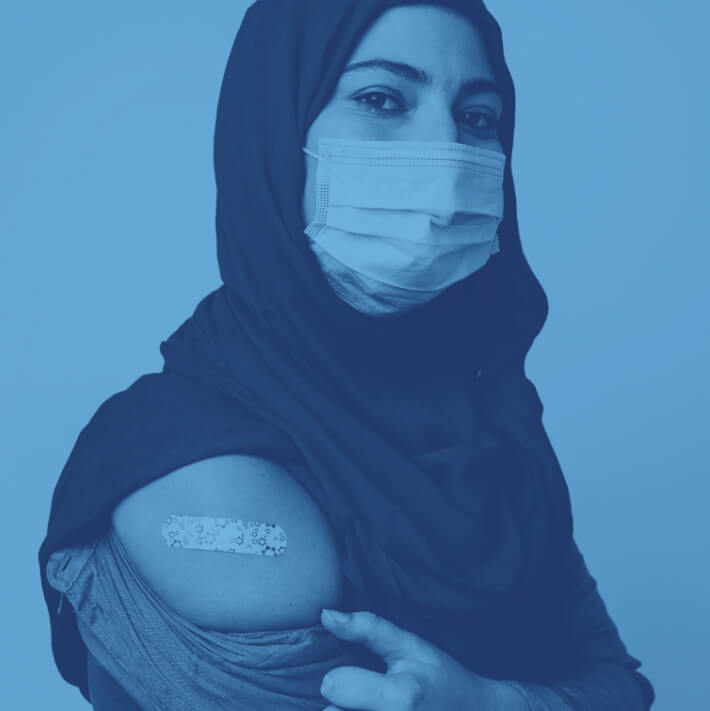
Frequently Asked Questions
You have questions about vaccines. We have answers.
Find science-based, easy to understand information answering the most frequently asked questions on each of the following topics: